Best 3D Websites Landing Page Design Inspiration
Discover 3d websites website designs. Professional, responsive designs for your next project.
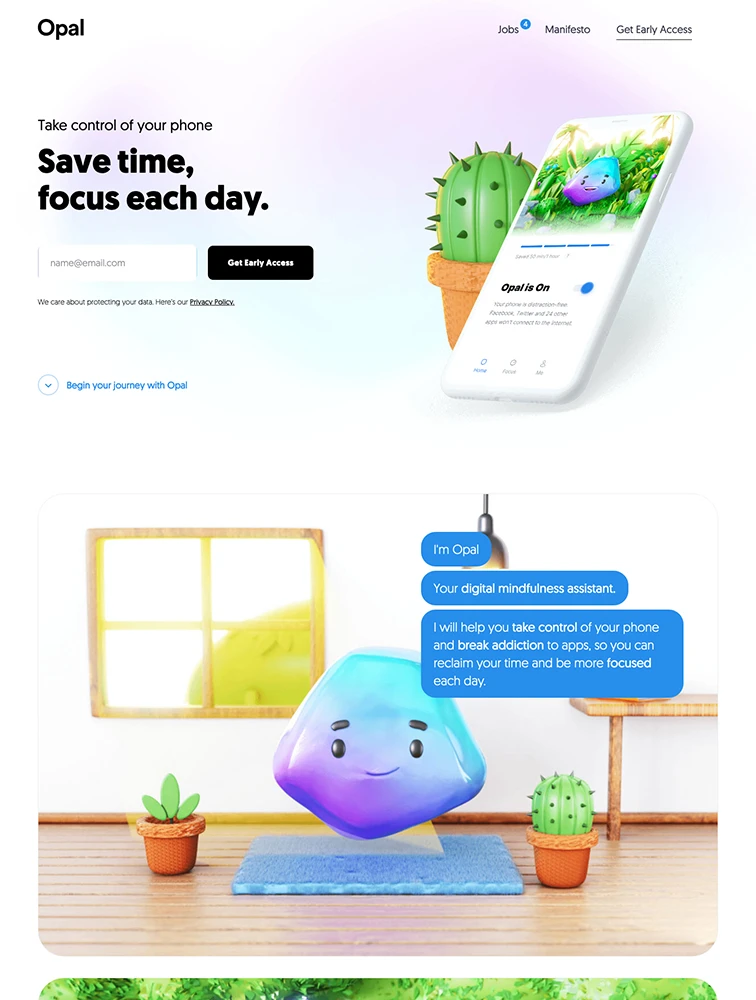
Opal
App
 Webflow
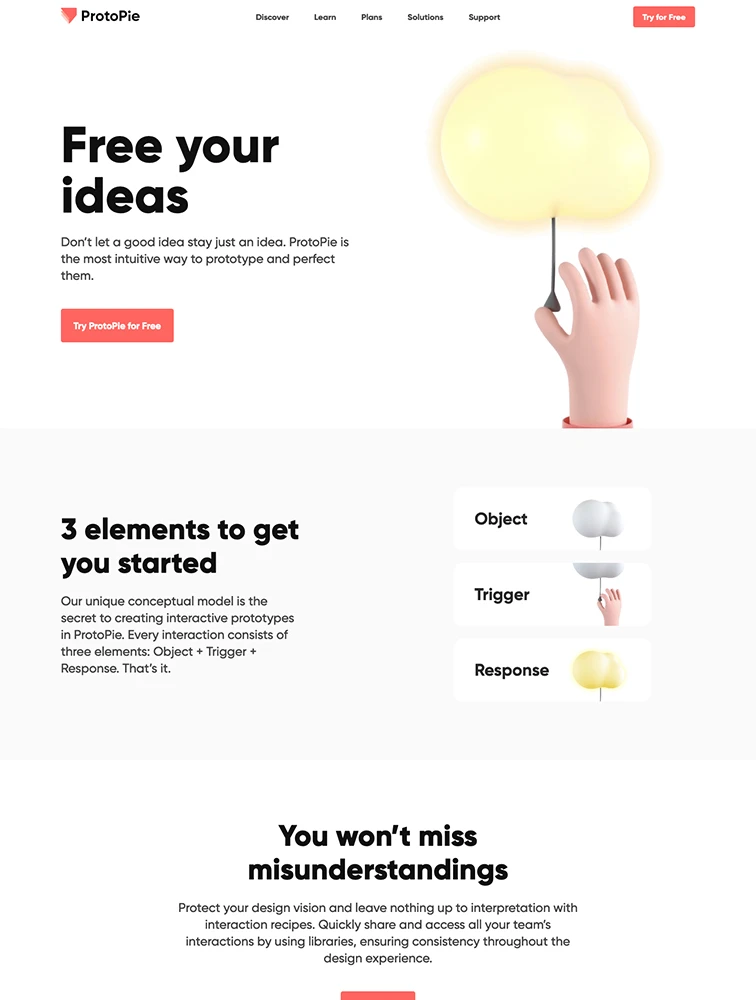
 ProtoPie
Prototype
 Mobbin.com
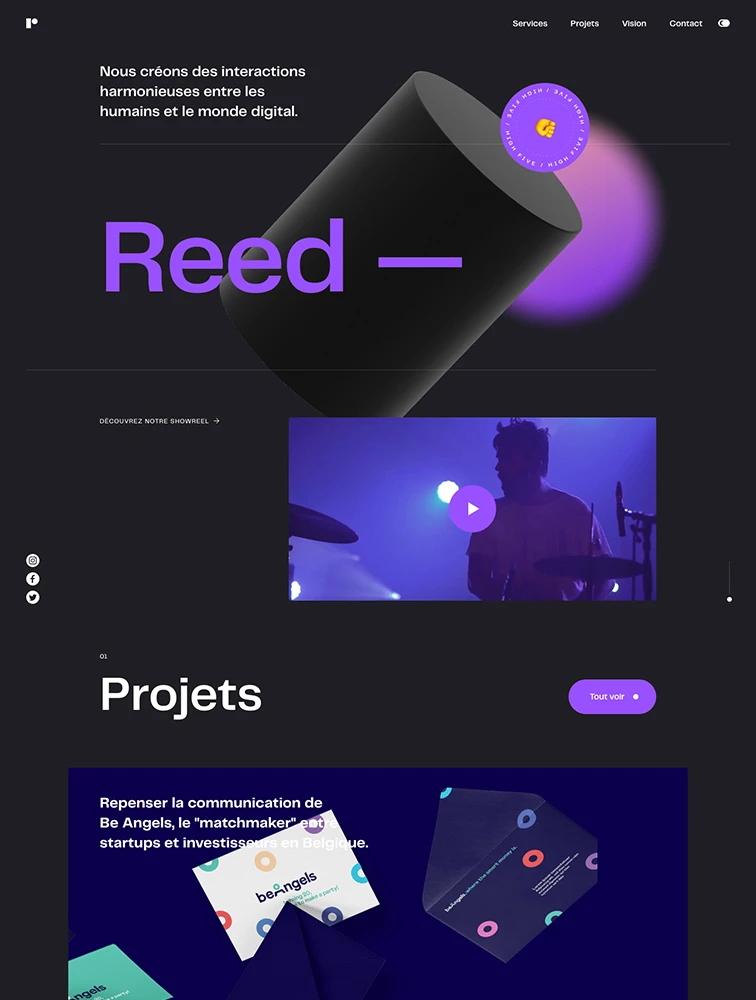
 Reed
Reed
Agency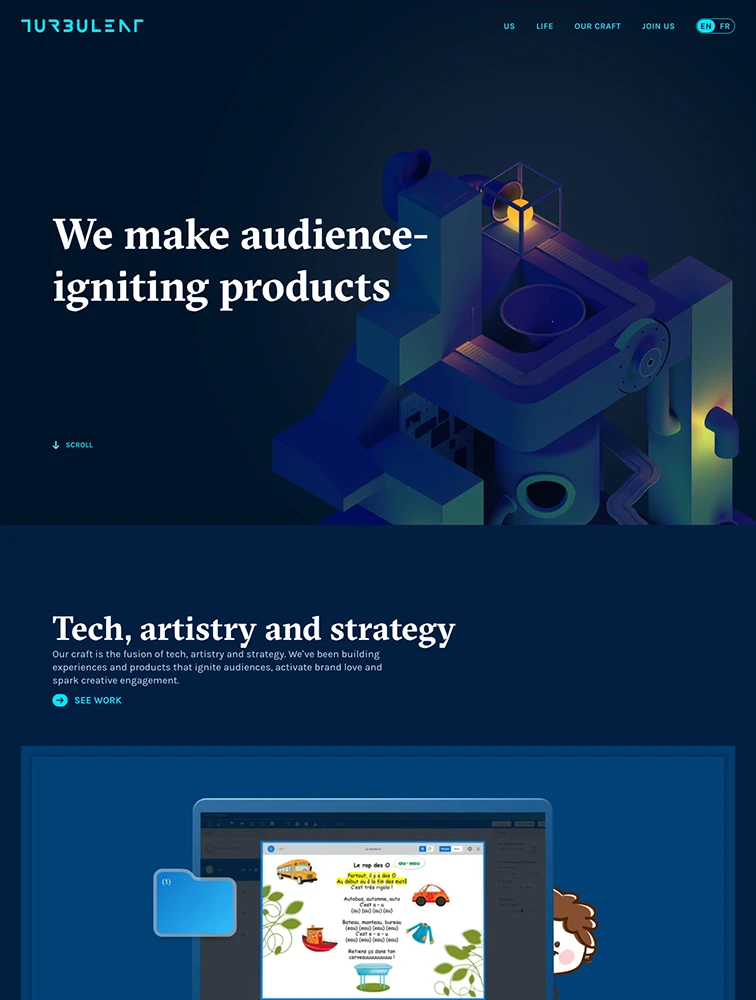
 Turbulent
Agency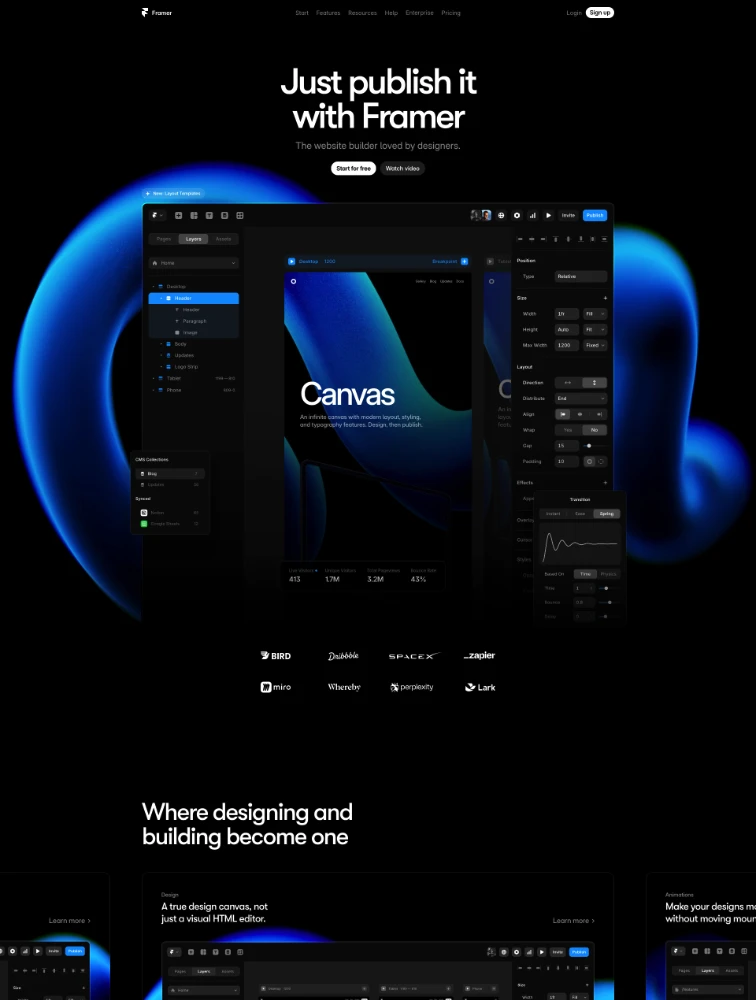
 Framer
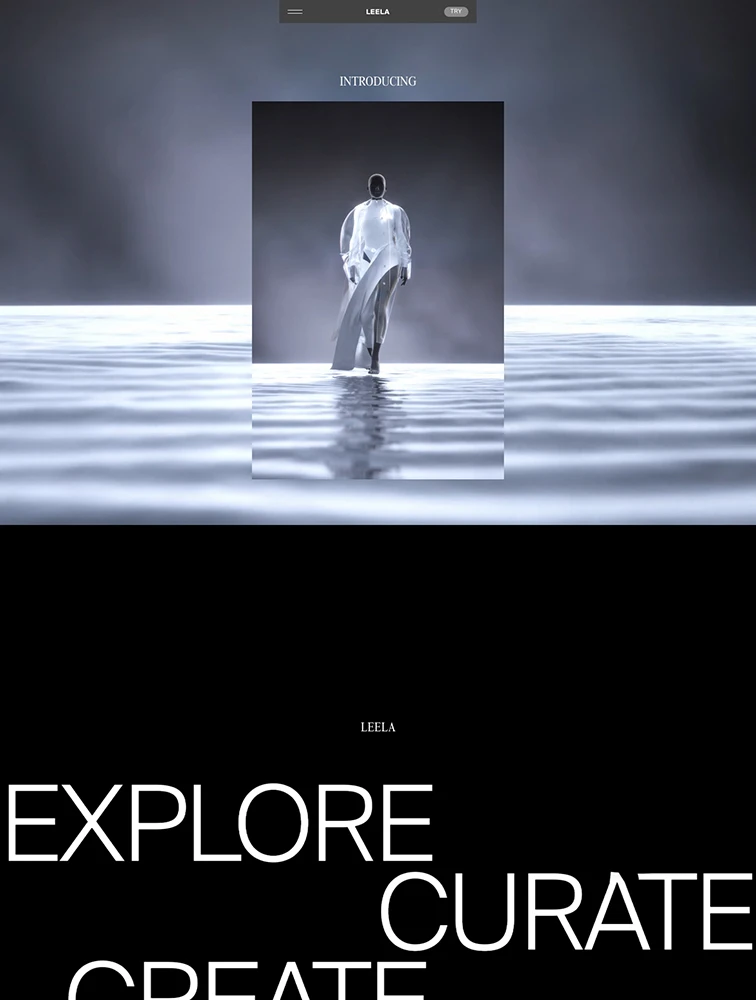
Leela
Fashion
Jamm
App
 Featured Partner
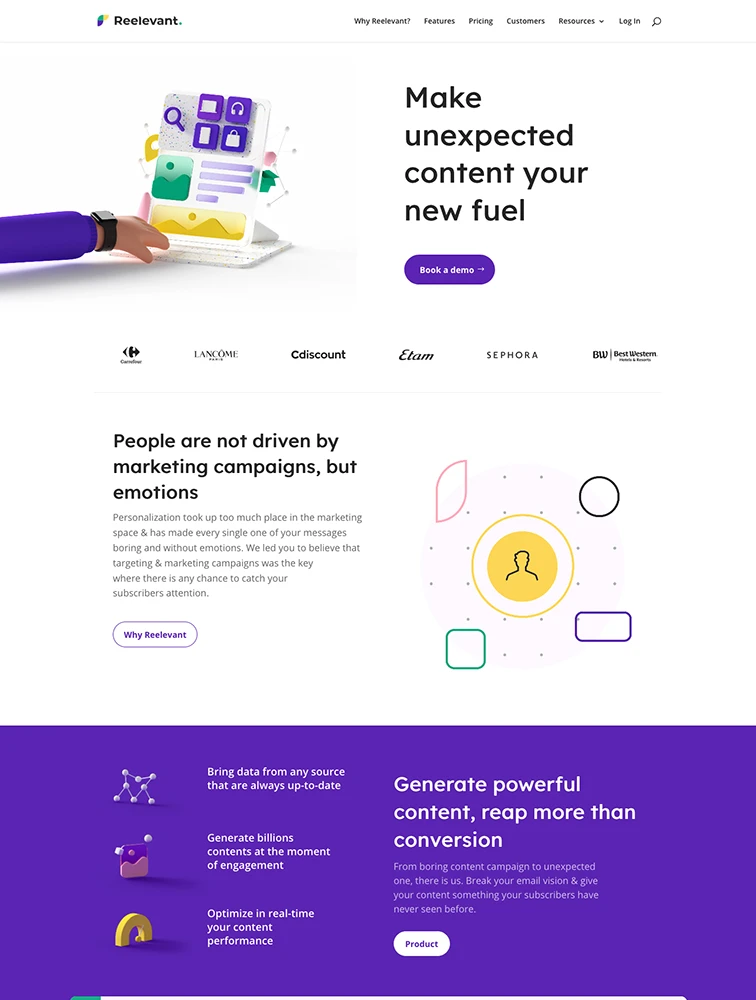
 Reelevant
Illustration
 Decentraland
Illustration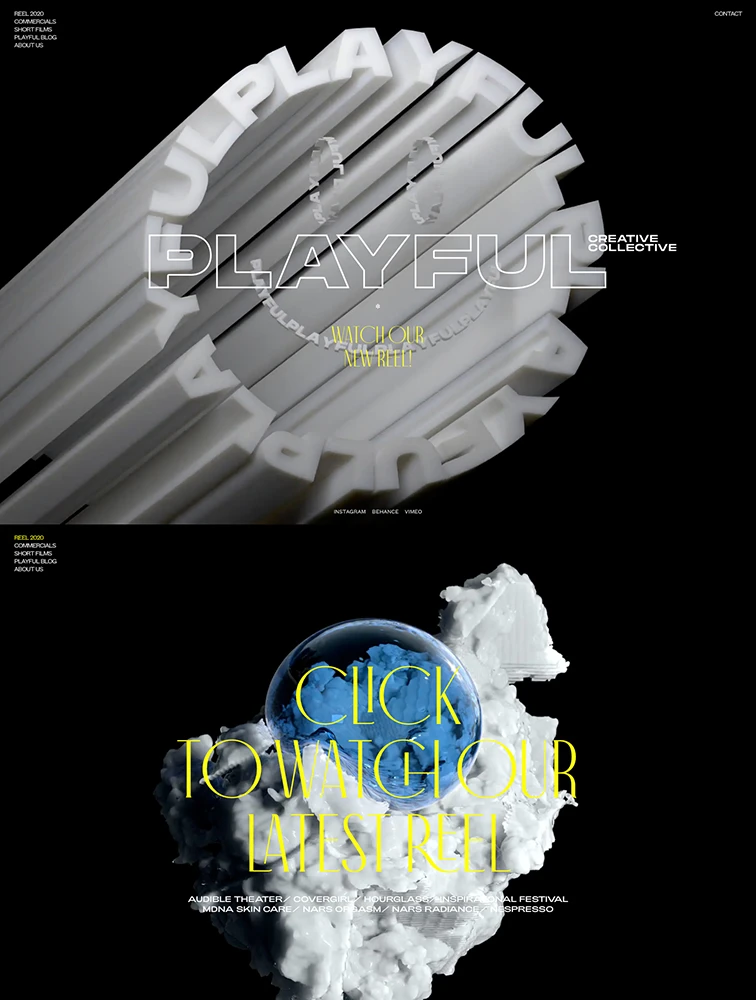
 Helloplayful
Agency
RappiPay
Finance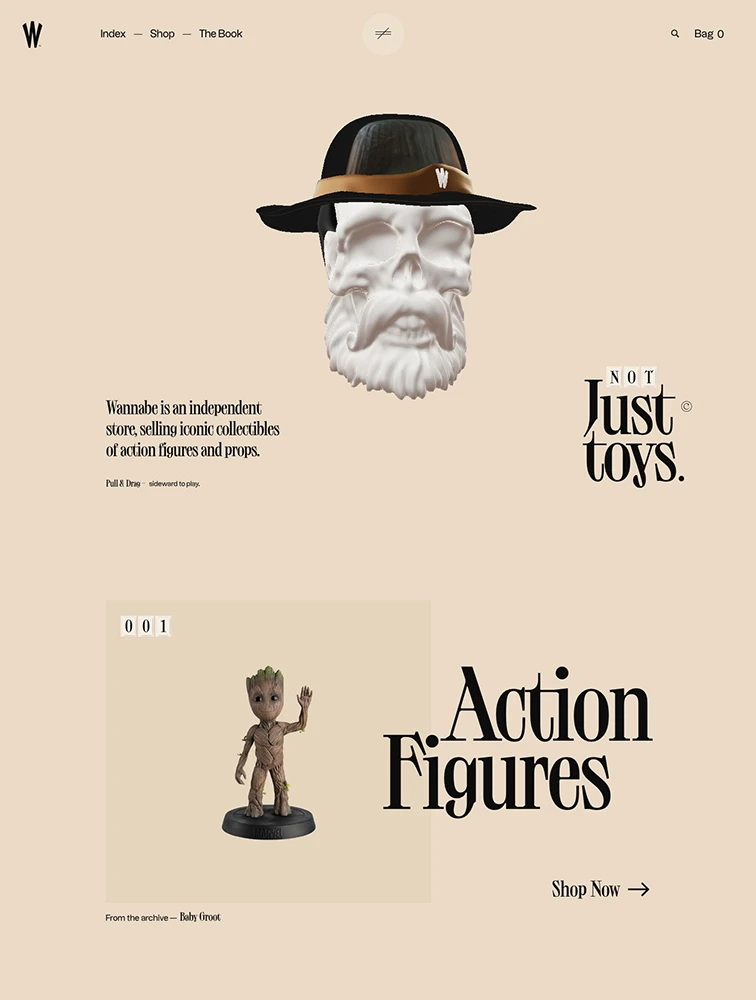
 Wannabe
eCommerce
Featured Partner
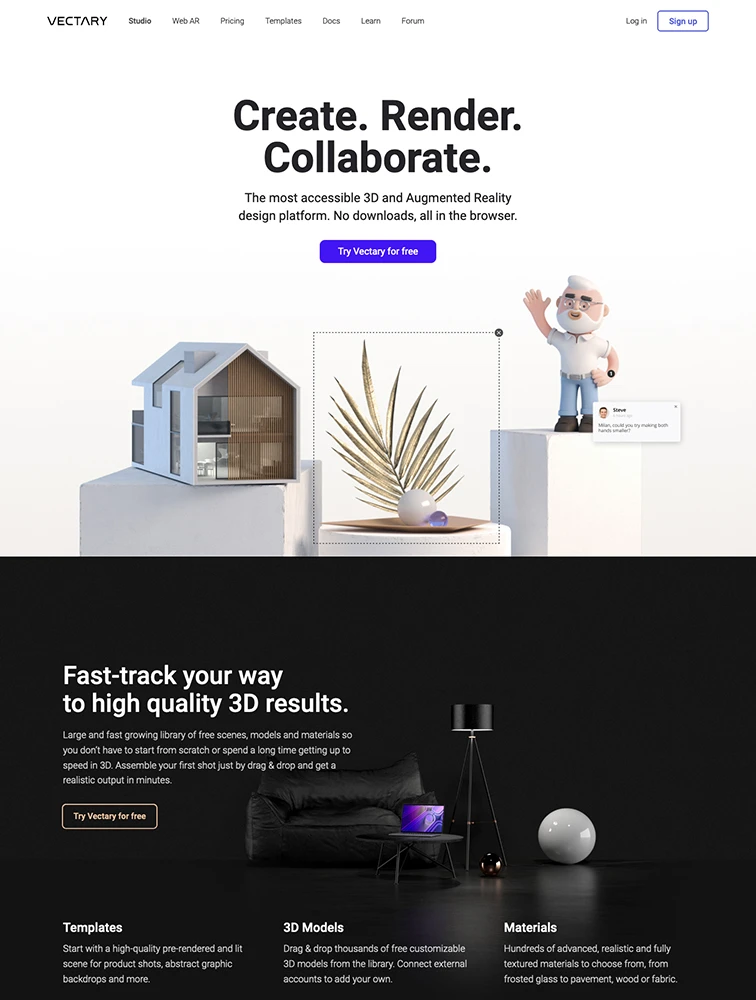
 Vectary
Design Tools
Featured Partner
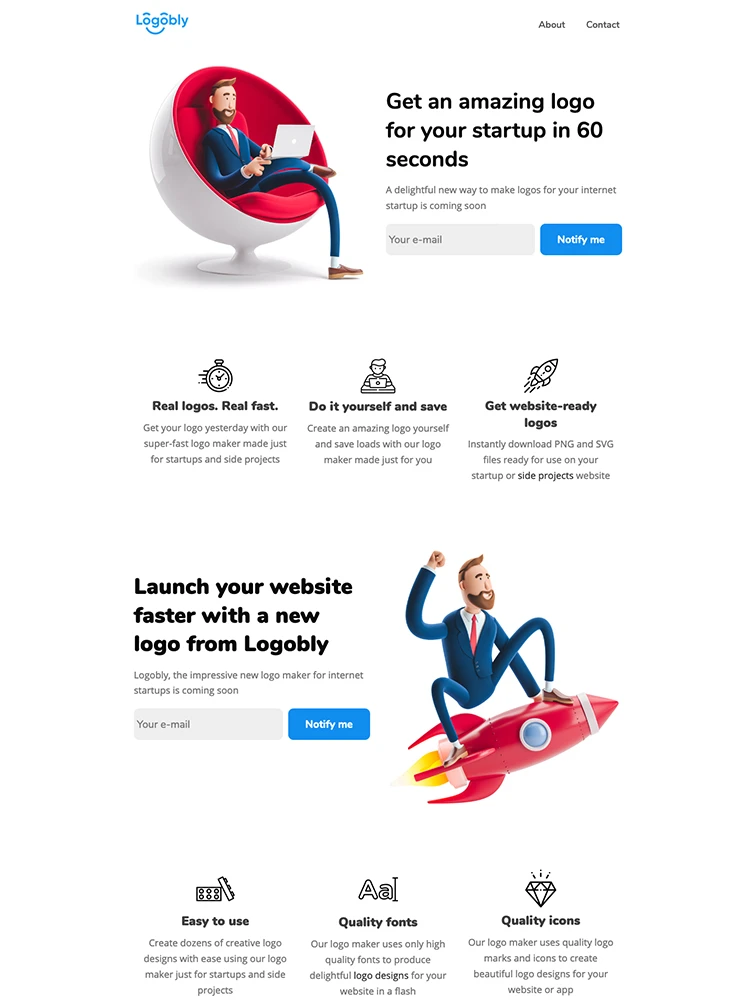
 Logobly
Illustration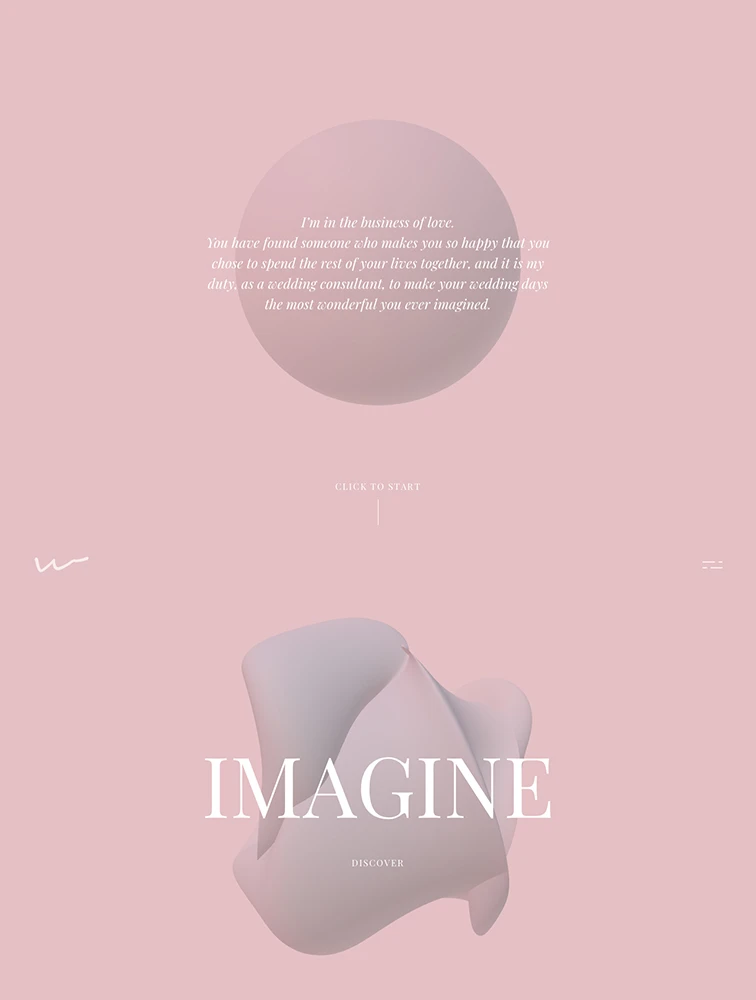
 Alessandra Zanghi Studio
Studio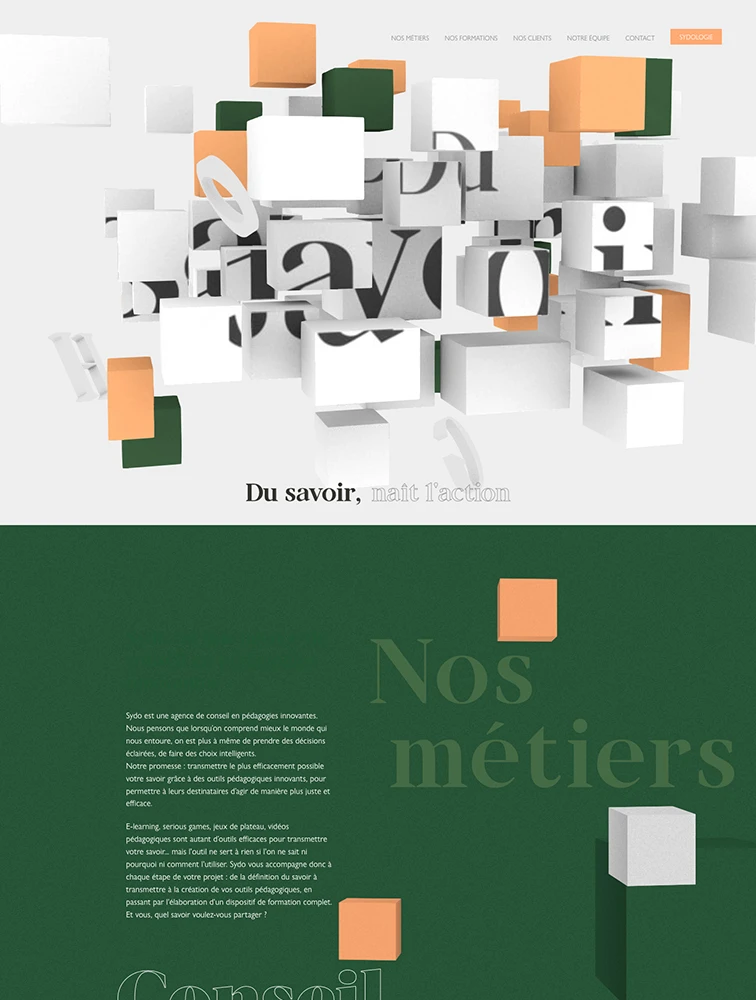
 Sydo
Sydo
Agency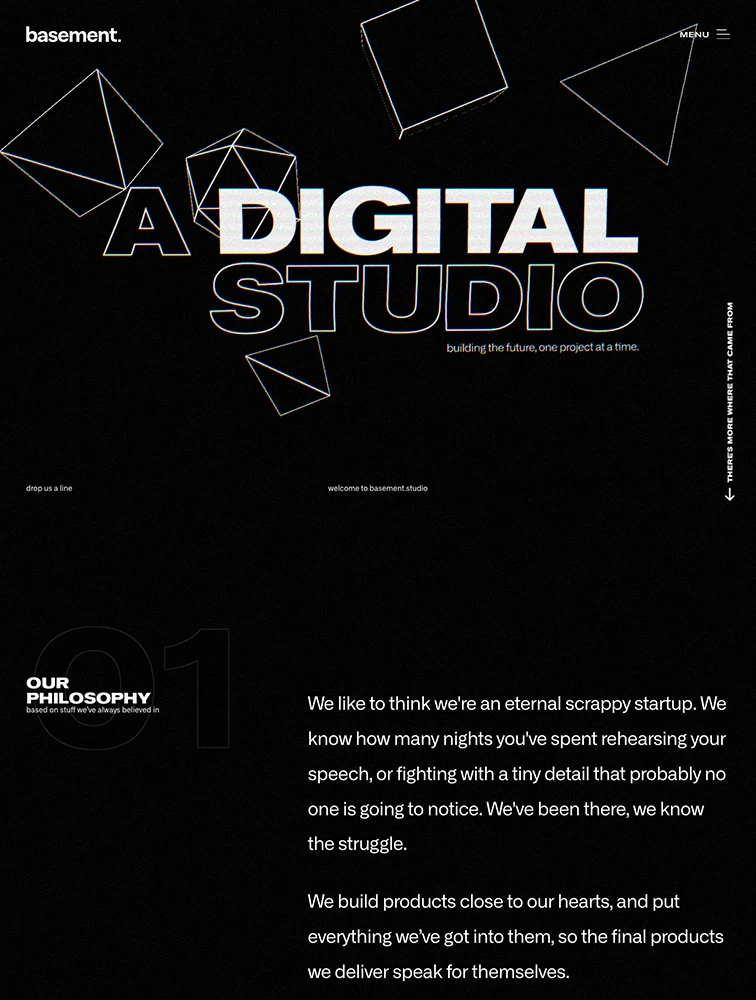
 Basement Studio
Studio
Featured Partner
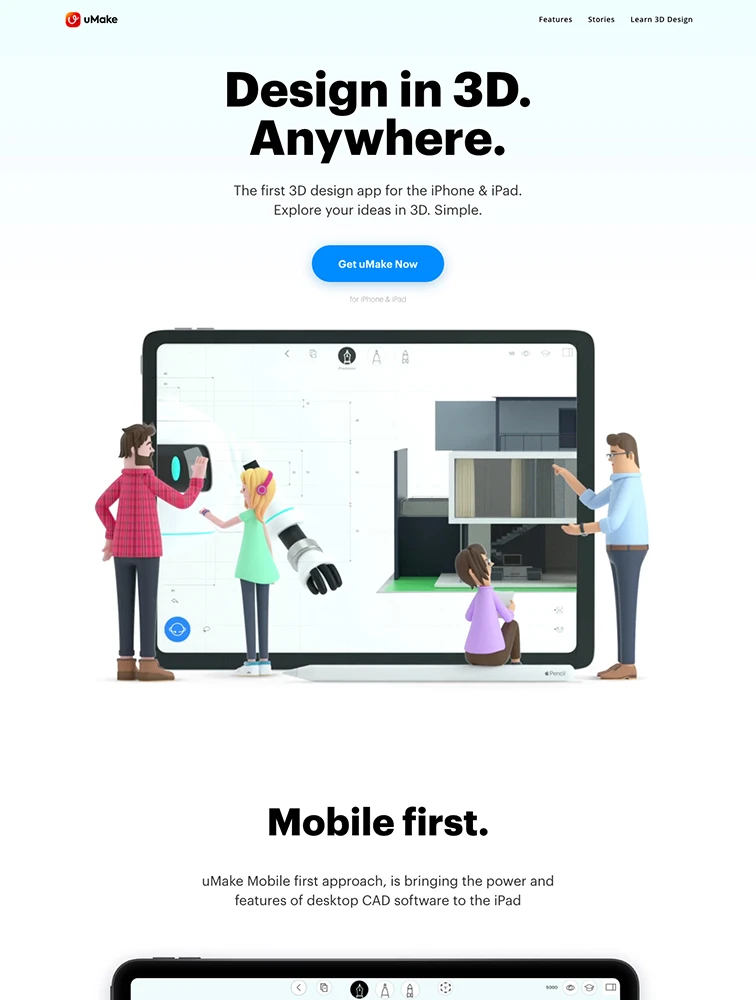
 uMake
uMake
Design Tools
 Plink
Plink
Illustration
Featured Partner
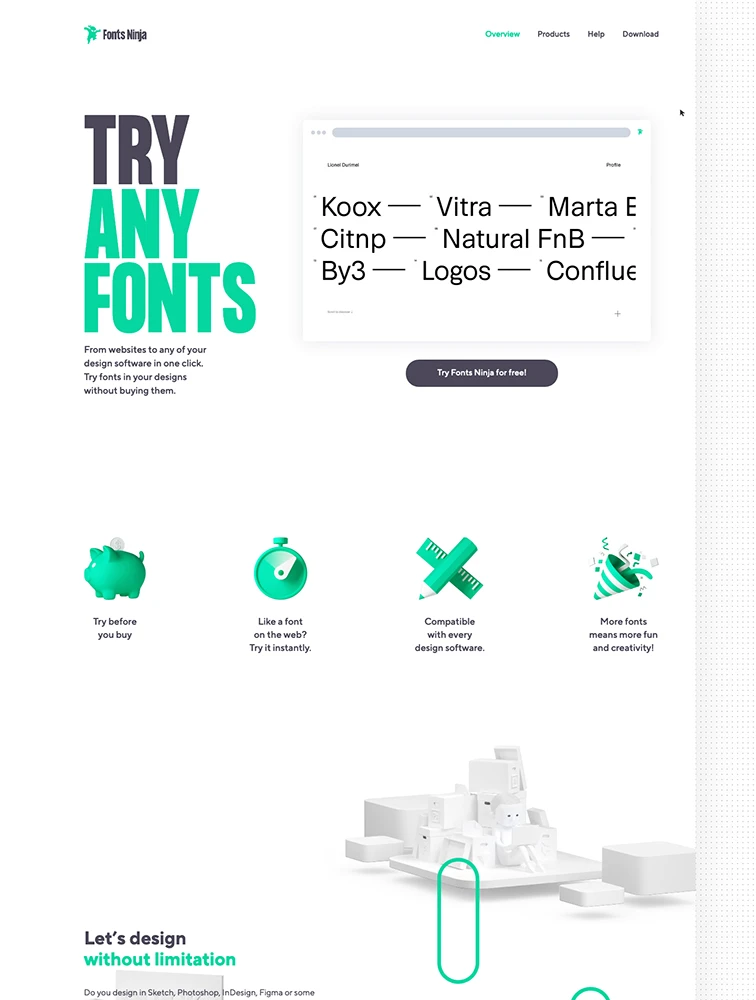
 Fonts Ninja
Typography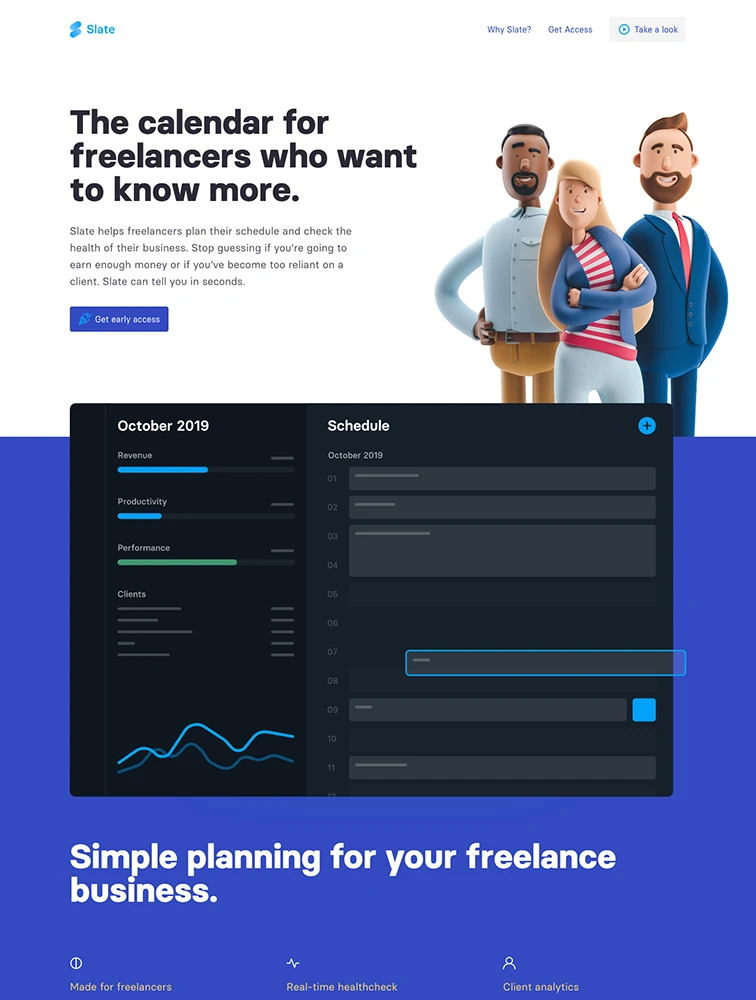
 Slate
Slate
App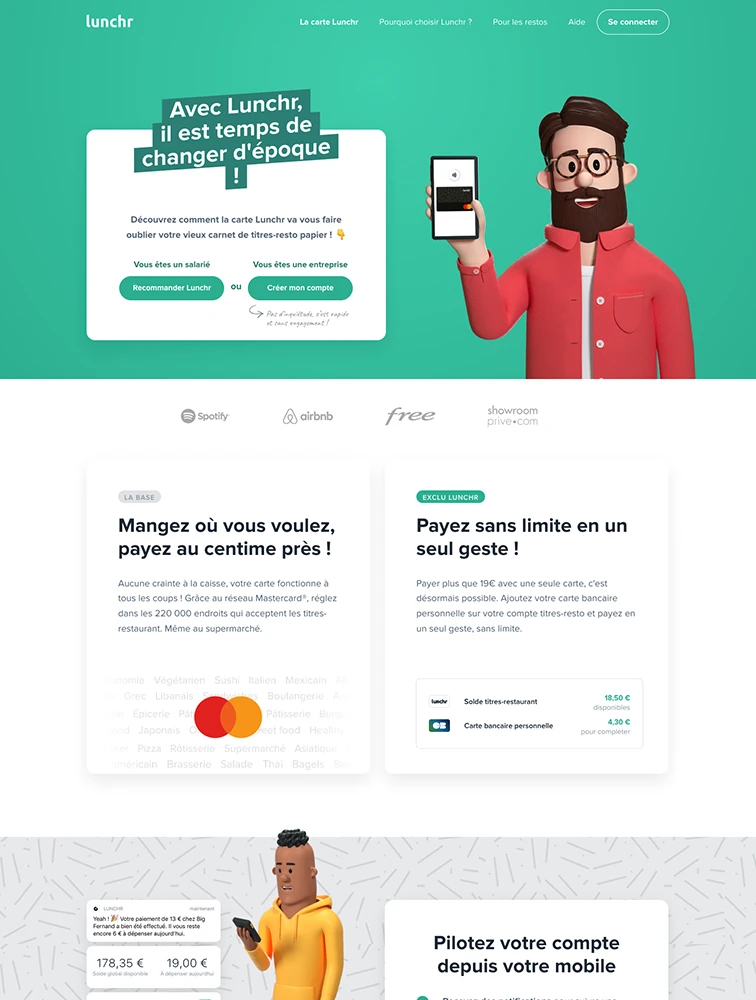
 Lunchr
App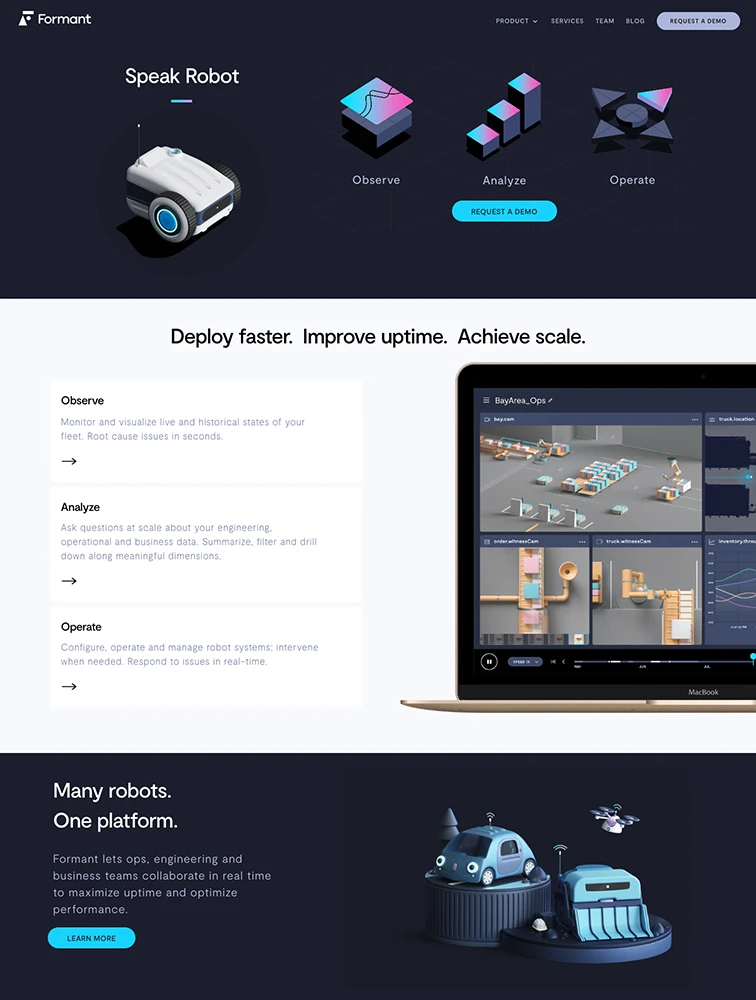
Formant
Technology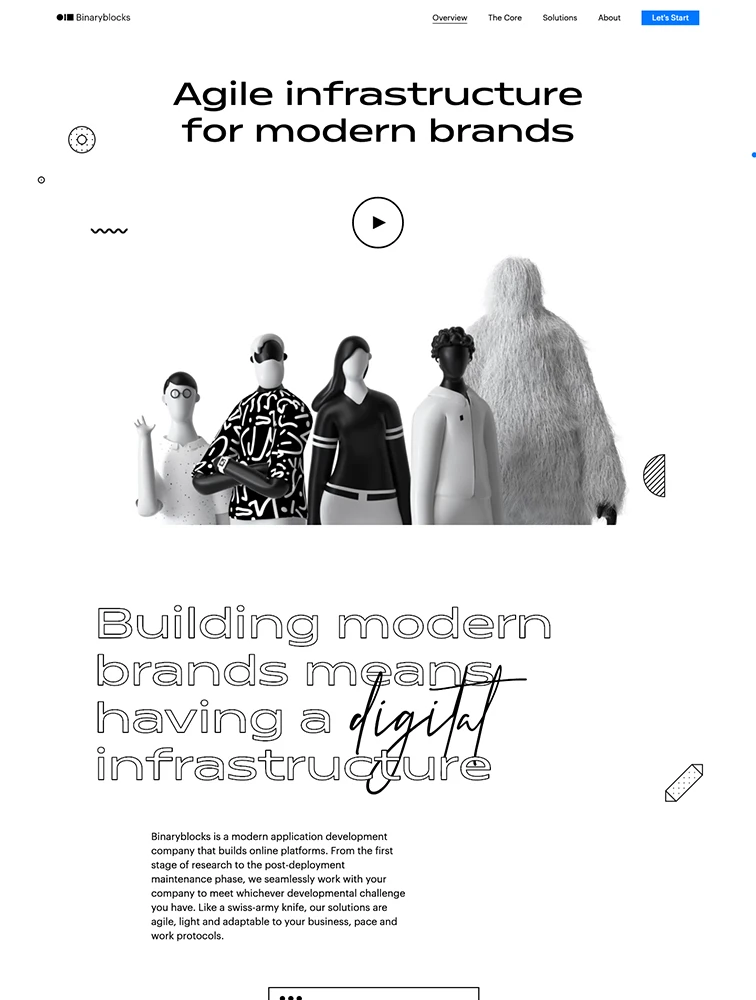
 Binaryblocks
Illustration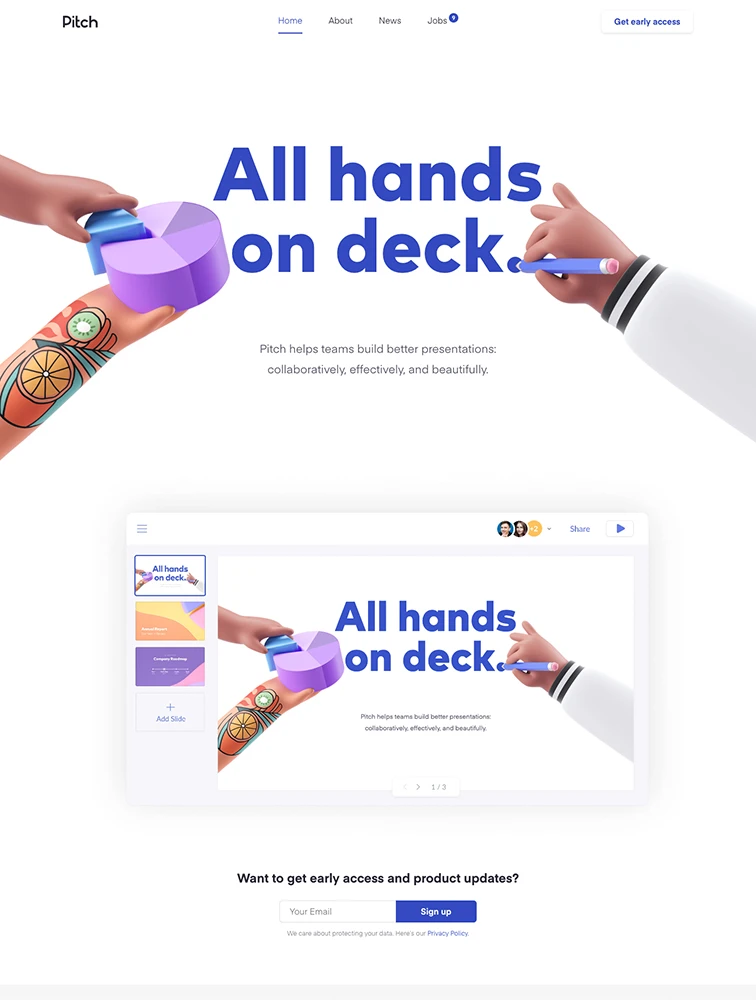
 Pitch
Pitch
IllustrationFrequently Asked Questions
Everything you need to know about 3d websites landing pages
What are 3D Websites landing pages?
3D Websites landing pages are immersive web experiences incorporating three-dimensional graphics, WebGL animations, spatial design elements, and interactive 3D models as core design language. These pages use technologies like Three.js, WebGL, React Three Fiber, or Spline to create depth, dimension, and engaging visual experiences beyond traditional flat web design. On Lapa.ninja, 3D website examples showcase how dimensional graphics create memorable experiences, demonstrate products spatially, establish cutting-edge brand perception, and engage visitors through interactive exploration. They're particularly effective for gaming, metaverse platforms, innovative tech brands, architecture, product launches, and brands wanting to demonstrate technical sophistication.
What technologies power 3D website landing pages?
Modern 3D websites utilize: WebGL for hardware-accelerated 3D graphics rendering in browsers without plugins. Three.js as the most popular JavaScript library making WebGL accessible with simpler syntax. React Three Fiber for integrating Three.js into React applications declaratively. Spline for creating 3D scenes with design-friendly interfaces and direct web export. Babylon.js as alternative 3D engine with gaming features. GSAP for smooth animations and scroll-triggered effects. CSS 3D Transforms for simpler depth effects. Blender for creating and optimizing 3D models. glTF format for efficient 3D model delivery. These technologies enable creation of interactive product viewers, animated hero sections, spatial interfaces, and immersive brand experiences while maintaining web performance through optimization.
What are performance best practices for 3D website landing pages?
Optimize 3D pages through: Aggressive model optimization reducing polygon counts, compressing textures, and using efficient UV mapping. Level-of-detail (LOD) systems showing simpler models when far from camera. Lazy loading 3D assets below fold or triggered by user interaction. Progressive enhancement starting with 2D fallbacks and loading 3D only for capable devices. Texture optimization using compressed formats, appropriate resolutions, and texture atlases. Frame rate management capping at 60fps and reducing quality on mobile. Code splitting to load 3D libraries only when needed. Effective loading states with engaging preloaders. Mobile-first approach with simplified or disabled 3D on struggling devices. Web Workers for expensive computations. Target under 3 seconds for initial meaningful paint. Test extensively across device types and connection speeds.
When should you use 3D website landing pages versus traditional design?
Use 3D when: products benefit from dimensional visualization like physical products, architecture, or spatial services; target audience is tech-savvy with modern devices and fast internet; creating memorable differentiation justifies development investment; 3D enhances understanding rather than serves as decoration; you have optimization resources; brand emphasizes innovation; competitive landscape uses traditional design; product nature aligns with 3D like gaming, metaverse, VR/AR. Avoid 3D when: target audience has slow connections or older devices; product is simple and doesn't benefit from dimensional representation; budget or timeline is limited; core conversion elements would be sacrificed; accessibility is primary concern; traditional industry where sophistication matters more; mobile traffic dominates. Always A/B test 3D against traditional measuring actual conversion impact.
Where can I find 3D website landing page inspiration?
Browse lapa.ninja/category/3d-websites for cutting-edge 3D implementations. When exploring: analyze how 3D enhances product understanding or brand perception, study performance optimization techniques visible in implementation, note when 3D serves purpose vs pure decoration, identify industries successfully using 3D, observe mobile strategies and fallback implementations, evaluate loading strategies and states, study how 3D integrates with conversion elements, note interaction patterns and user controls, consider accessibility approaches, screenshot specific 3D techniques you could adapt, and assess whether 3D actually improves conversion or primarily serves aesthetic goals. Remember 3D requires significant investment - ensure it serves strategic purpose for your specific goals.